
Dino ID
Upload a photo of what's growing in your tank. We'll identify the dinoflagellate species and walk you through the right way to deal with it.
Visual reference
Dino & Algae Identification Guide
Match the microscope view, confirm the ID, then run the planner below.
Large-Cell Amphidinium
Hard to treat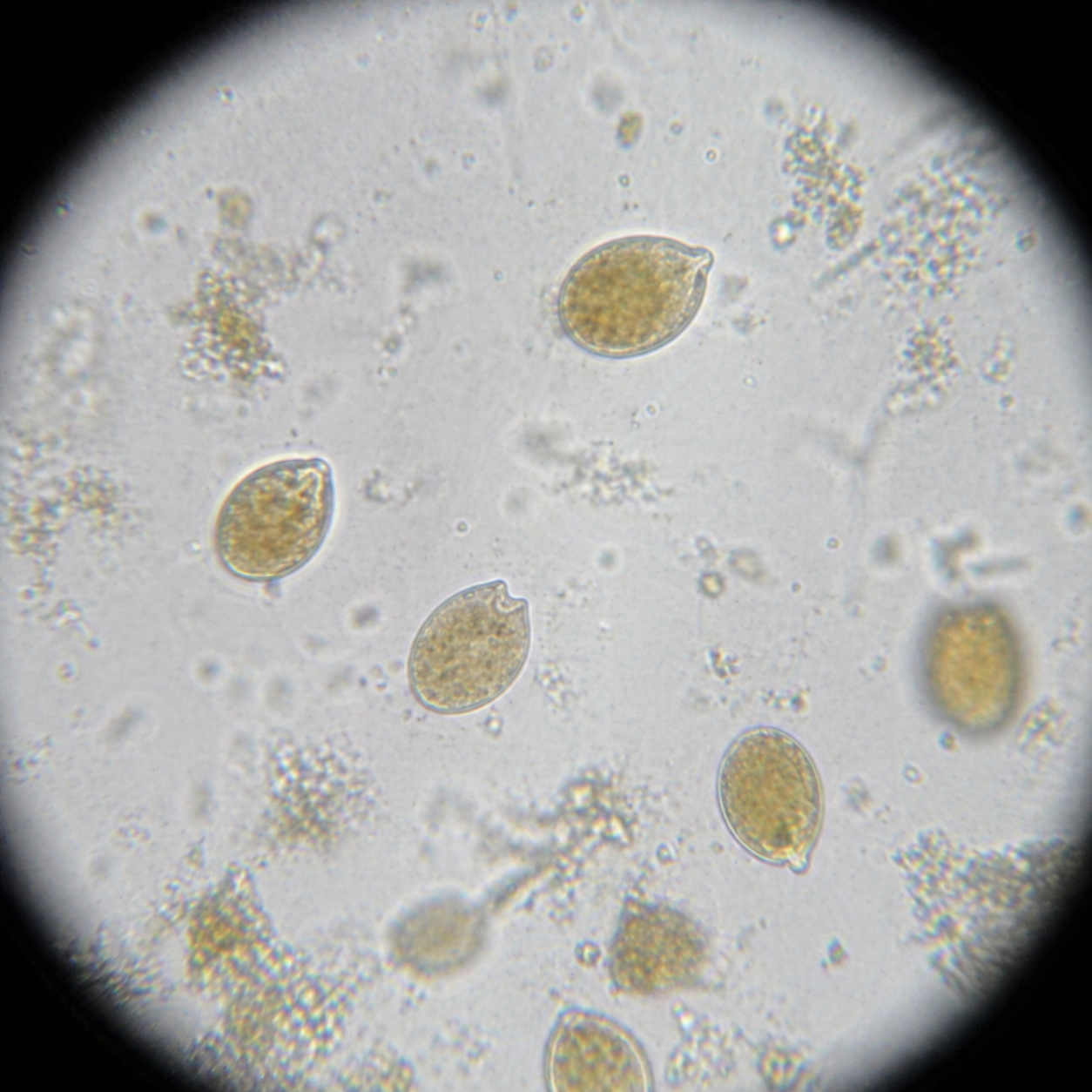
Microscope ID
- Large oval cells
- Slight beak or notch
- Soft edge, not armored
- Slow crawling movement
Tank appearance
- Brown dusty sandbed coating
- No strings
- Few to no bubbles
Key ID Dusty sand + no strings + no bubbles.
Small-Cell Amphidinium
Fast moving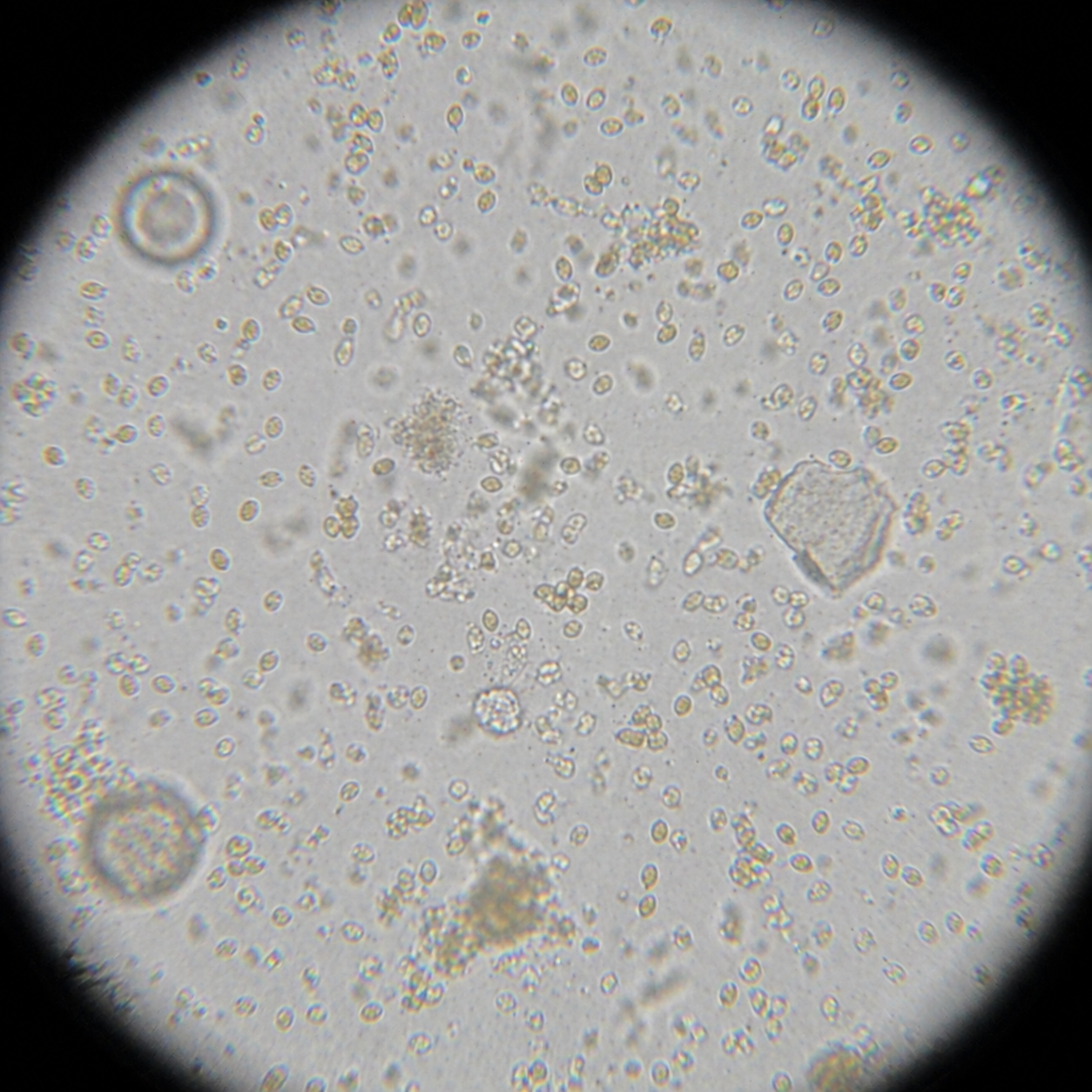
Microscope ID
- Very small oval cells
- Fast darting movement
- Harder to see clearly
- Often scattered across the slide
Tank appearance
- Persistent fine brown film
- Sand, rock, or glass
- Usually no obvious bubbles
Key ID Tiny fast movers + stubborn brown dust.
Ostreopsis
Toxic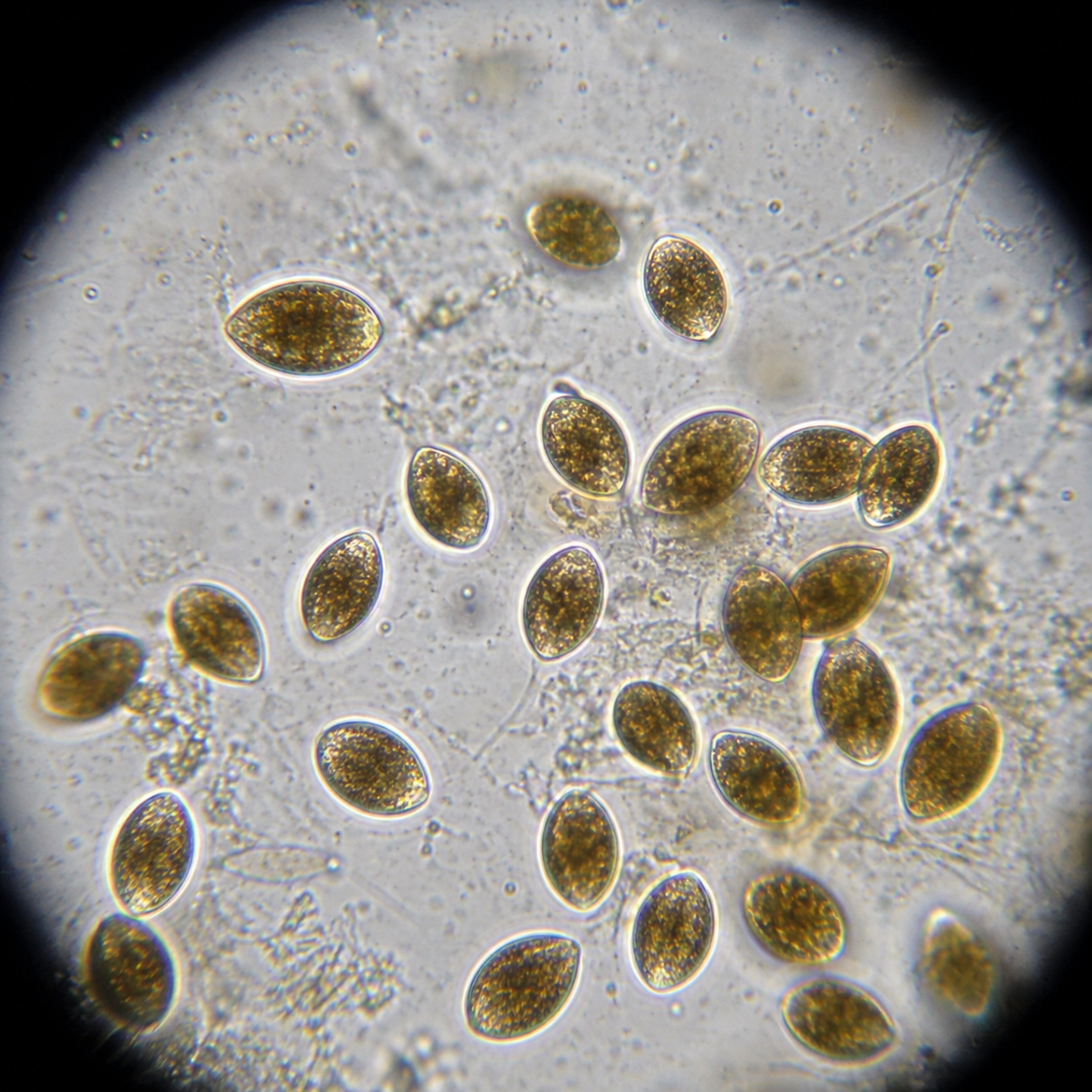
Microscope ID
- Oval / sesame seed shape
- Thick outer halo
- Often in mucus clusters
- May spin in place
Tank appearance
- Snotty strings
- Lots of bubbles
- On rocks, glass, coral, and sand
Key ID Strings + bubbles + spreads everywhere.
Prorocentrum
Can be toxic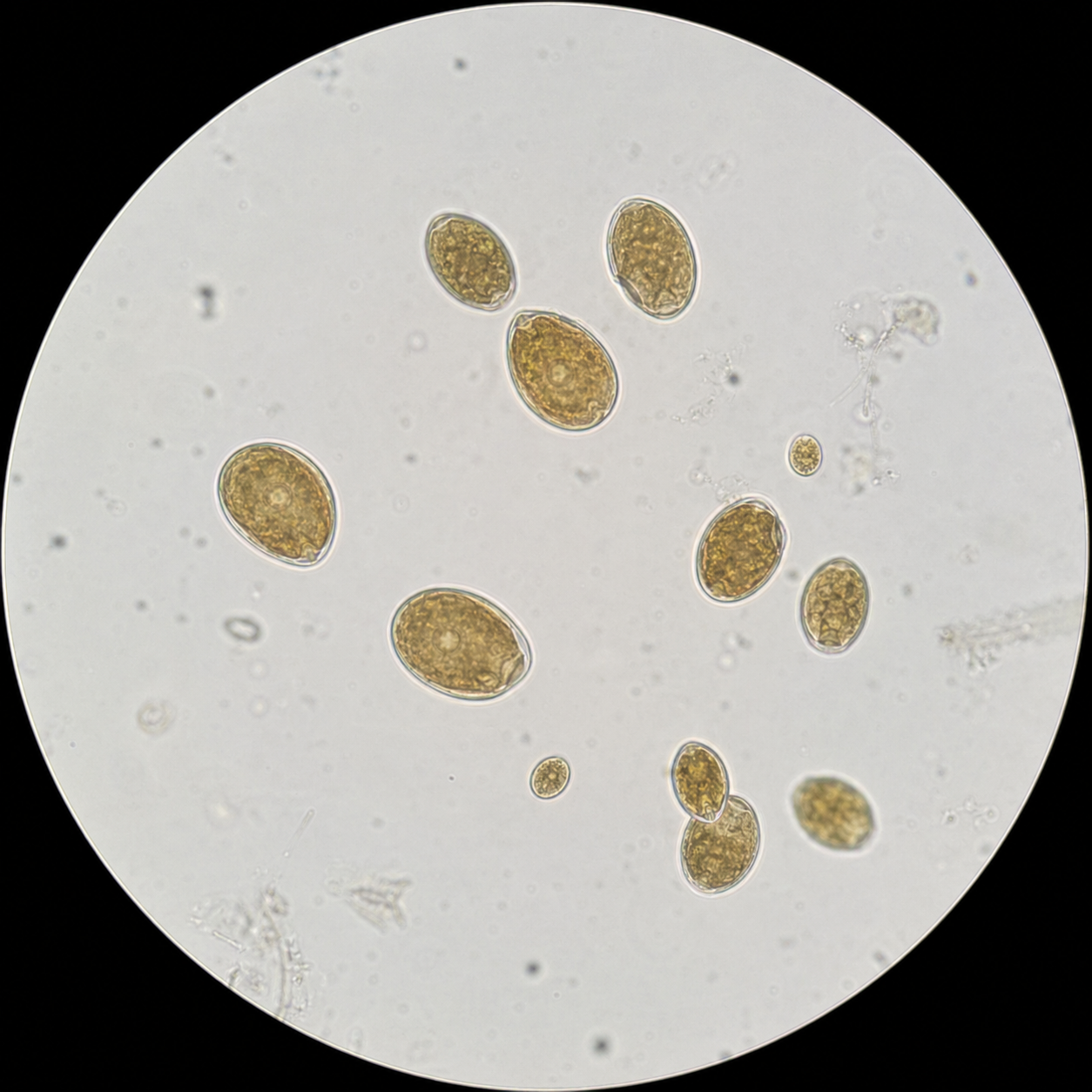
Microscope ID
- Symmetrical oval cells
- Coffee-bean shape
- Faint center circle
- Often still or smooth gliding
Tank appearance
- Thin brown film
- Sand and lower rocks
- May trap a few bubbles
Key ID Clean oval cells + thin brown film.
Coolia
Round cells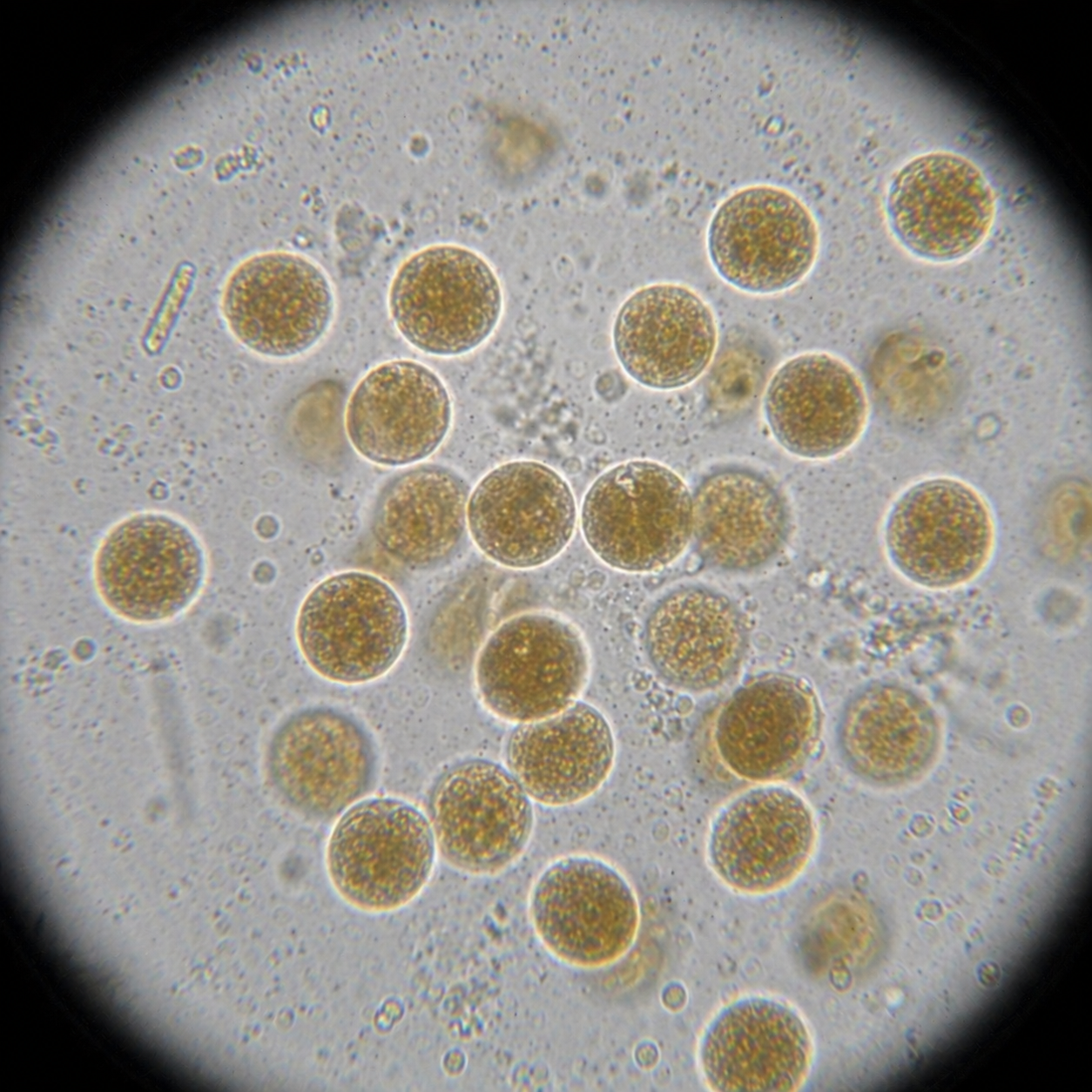
Microscope ID
- Round cells
- Thick outer edge
- Subtle internal texture
- Short-burst movement
Tank appearance
- Light brown dusting
- Usually sand-focused
- Less aggressive than Ostreopsis
Key ID Round cells + mild sandbed dusting.
Chrysophytes
Golden algae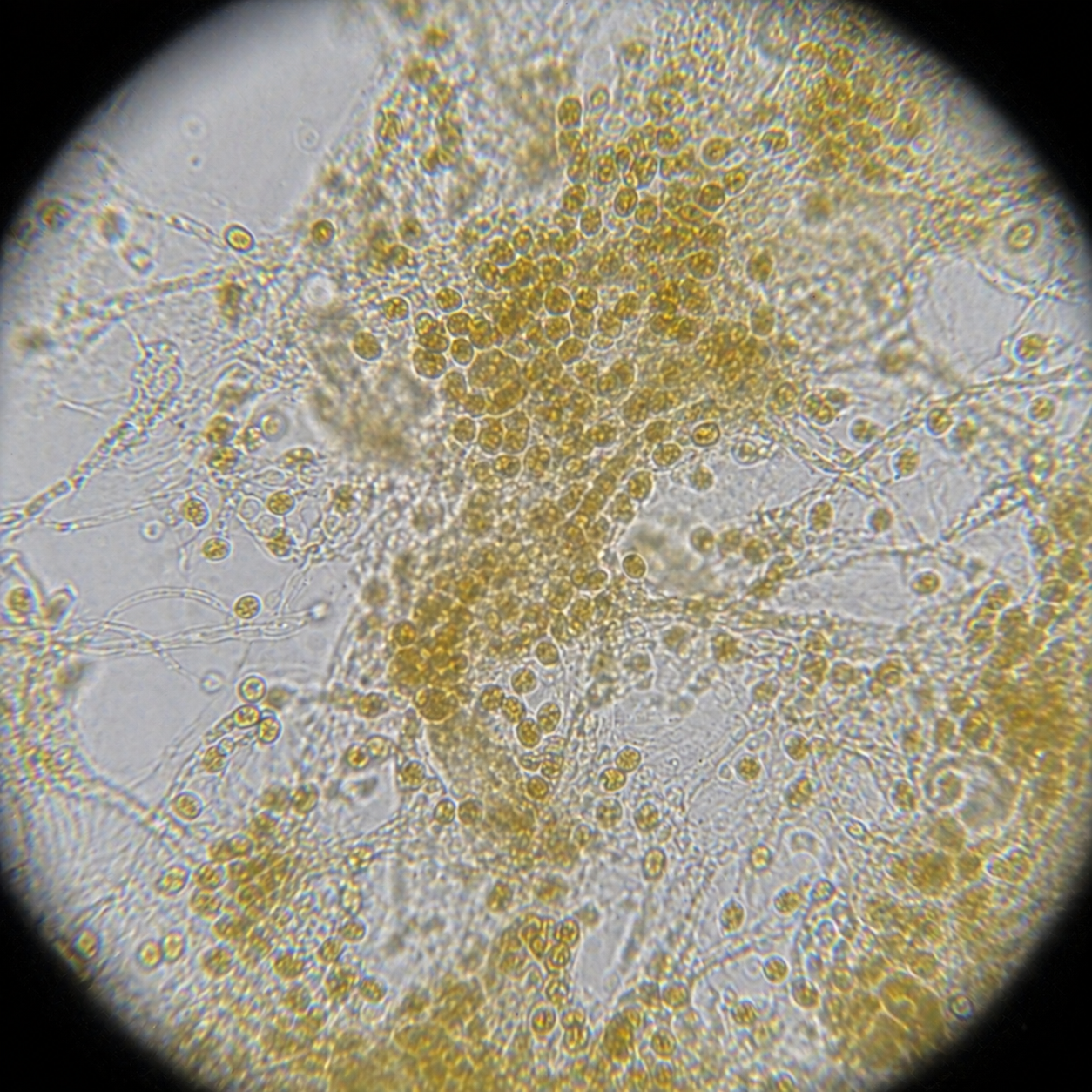
Microscope ID
- Tiny golden cells
- Often in mucus
- Irregular clusters
- Not true dinos
Tank appearance
- Golden-brown coating
- Can look fluffy or dusty
- Often mistaken for dinos
Key ID More yellow / gold than brown.
Diatoms
Normal / common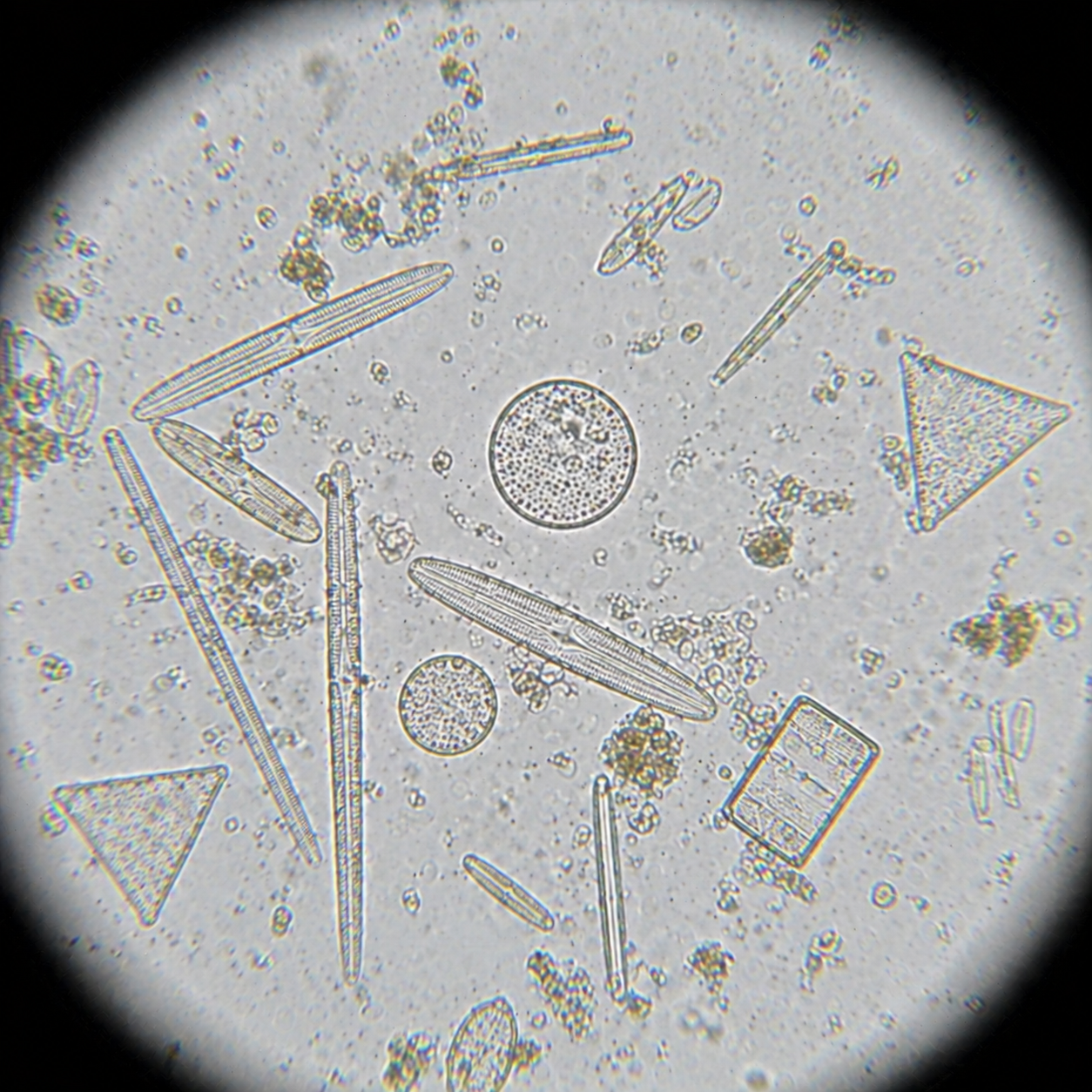
Microscope ID
- Geometric shapes
- Rods, triangles, discs
- Glass-like shell
- Non-motile
Tank appearance
- Classic new-tank brown dust
- Wipes off easily
- Usually short-lived
Key ID Geometric under scope + wipes easily.
Cyanobacteria
Not a dino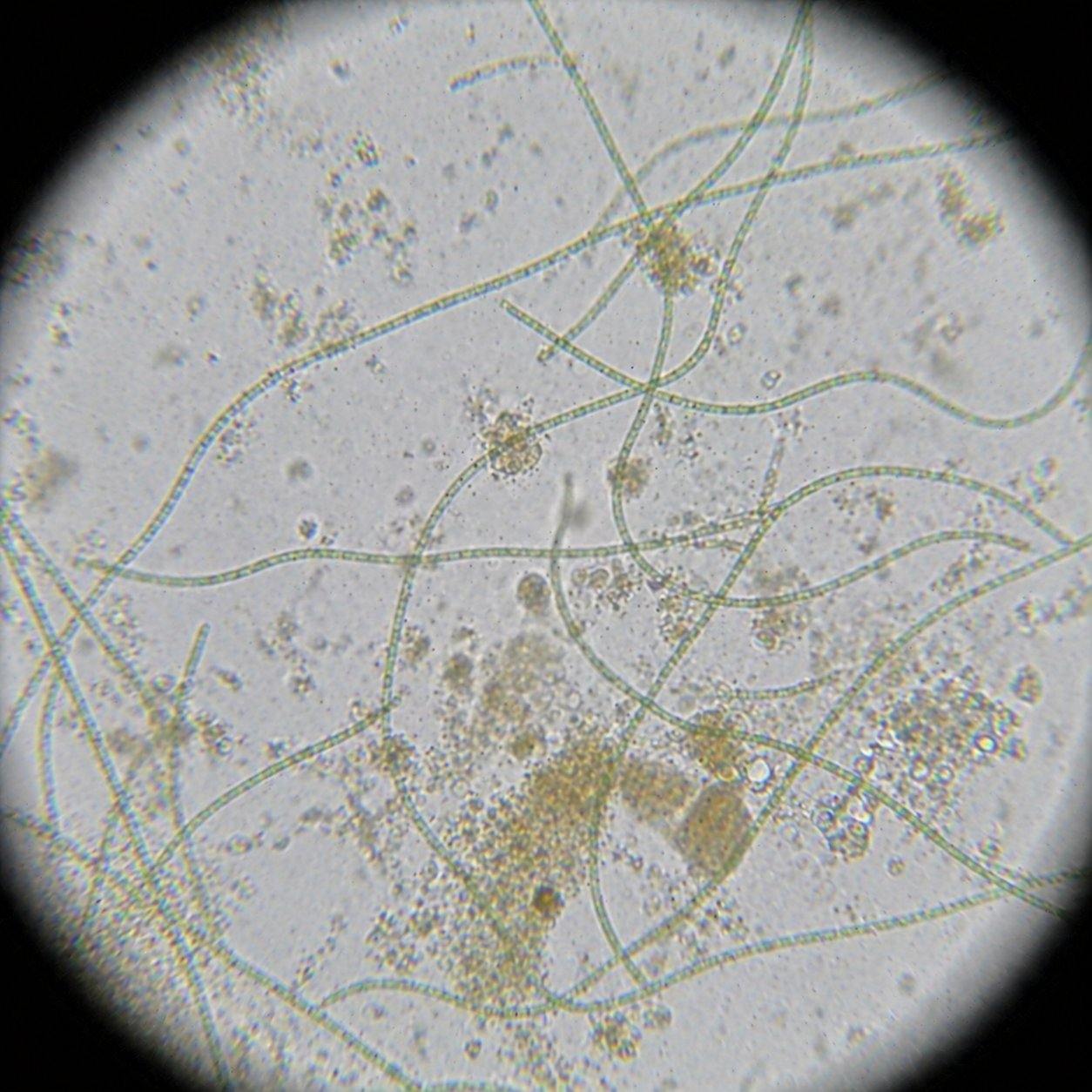
Microscope ID
- Long filaments
- Thread-like strands
- No dino-shaped cells
- Often forms mats
Tank appearance
- Red, purple, or dark slime
- Peels off in sheets
- May trap bubbles
Key ID Slimy sheets + filaments under scope.
Euglena
Green cells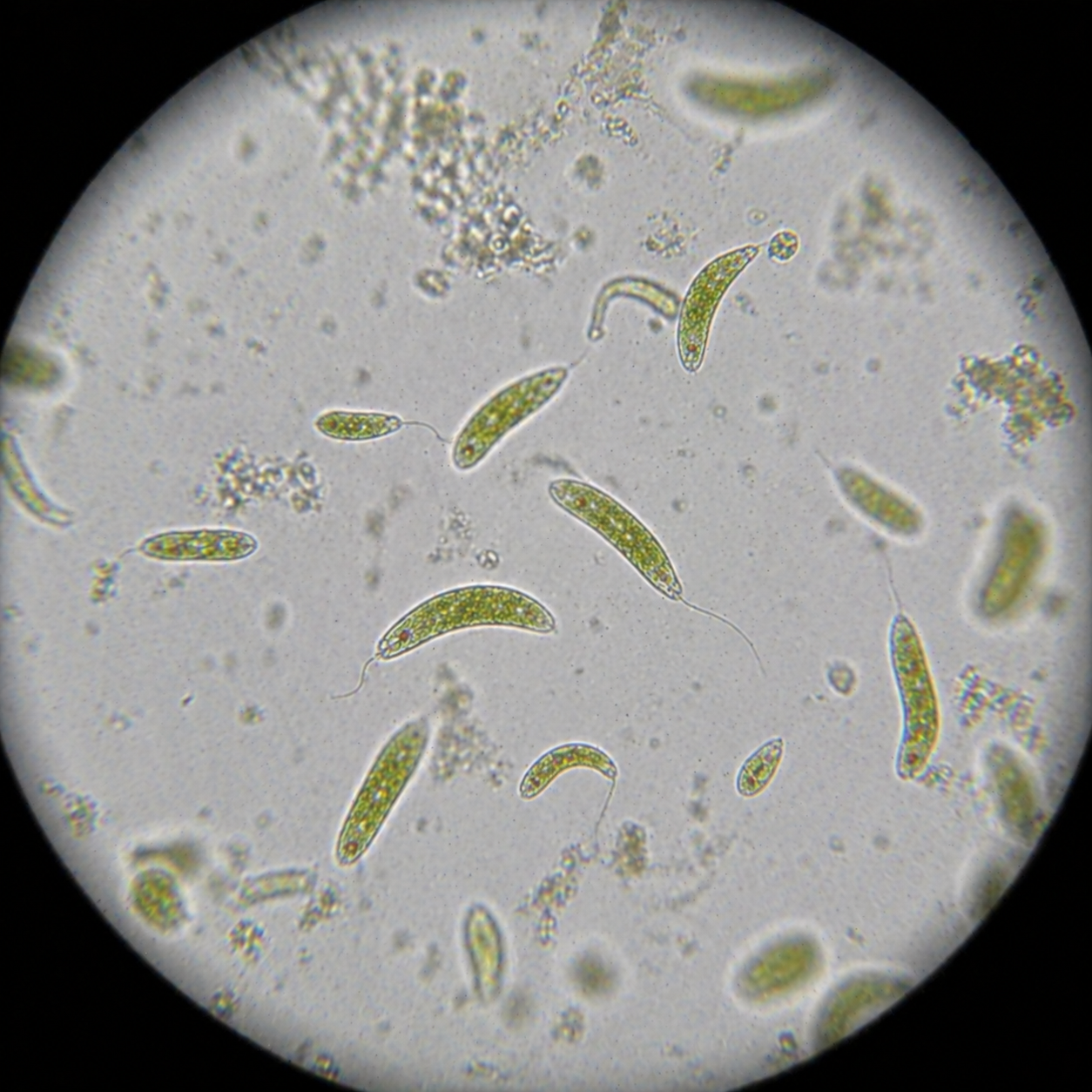
Microscope ID
- Elongated green cells
- Flexible body shape
- May show flagella
- Not a brown dino
Tank appearance
- Green film or water tint
- Often on sand or glass
- Usually less harmful
Key ID Green cells, not brown / golden dinos.
Reef Dino Battle Planner
Species-aware, conservative dino plan